
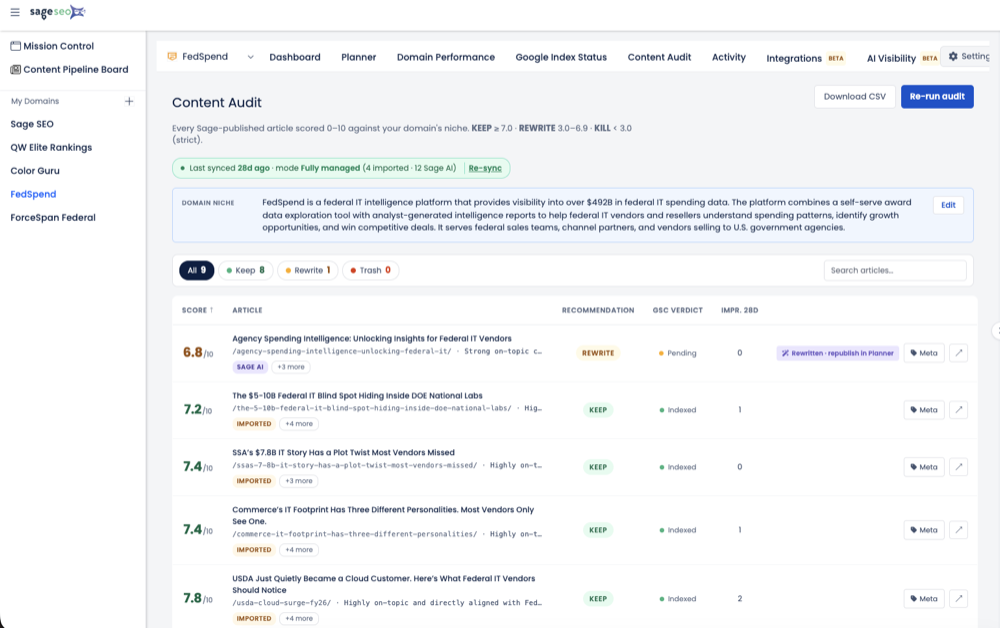

Optimizing Your Web Performance: What an SEO Score Really Tells You
Ever clicked through a site audit and felt bombarded by jargon, percentages, and colored bars? You’re not alone. Many website owners stare at an “SEO score” wondering if a 72 is good or if that red flag demands immediate panic.
Behind those digits lies actionable insight—if you know what you’re looking for. Think of your platform as a car: a gauge can warn you about oil, engine temp, or fuel, but only a seasoned driver knows which alert to heed first.
Call it the rise of the seo sage: a unified metric that cuts through the noise. By embracing a singular score—from technical crawlability to content quality—you gain a roadmap for growth. No more chasing vanity metrics or tool overload; clarity arrives when you learn to read each section’s hidden cues.
What Does an SEO Score Tell You?
An SEO score condenses dozens of metrics into a single, digestible number that signals your site’s overall health. Rather than toggling between technical audits, backlink checkers, and content analyzers, one unified value offers immediate perspective. Tools differ: some emphasize on-page elements; others lean heavily into authority metrics or page speed. Our seo sage methodology blends all pillars into a balanced, actionable score.
Unlike generic scores, SageSEO.ai’s proprietary metric employs machine learning to adapt weightings based on industry benchmarks and real-time search landscape shifts. It’s not just about hitting 100/100; it’s about recognizing the areas primed for quick wins versus the deep-dive overhauls. By translating raw performance data into clear priorities, a unified score becomes a tactical dashboard for boosting visibility, traffic, and conversions.
Understanding the SEO score meaning transforms SEO from guesswork into a strategic roadmap, ensuring your team focuses on high-impact fixes and measurable ROI for modern websites.
Behind the Numbers: How Your SEO Score Is Computed
At its core, an SEO score reflects four major pillars: technical infrastructure, on-page optimization, off-page authority, and user experience. Each category comprises multiple metrics—from crawlability and indexability to backlink profiles and Core Web Vitals. Aggregating these factors reveals a holistic view of search readiness.
The secret sauce lies in weighting: each metric carries a relative importance based on proven ranking factors. SageSEO.ai leverages machine learning to adjust these weightings dynamically, calibrating against industry benchmarks and real-time algorithm adjustments. Over time, the model becomes more attuned to which tweaks yield the biggest jumps in organic performance.
Real-World Score Calculation Example
In a recent evaluation of an e-commerce site, SageSEO.ai analyzed technical metrics (like sitemap errors and mobile rendering) at 30% weight, on-page factors (content relevance and metadata) at 25%, off-page signals (domain authority and backlinks) at 25%, and user experience—measured through Core Web Vitals and mobile-friendliness—at 20%. The initial composite score of 48 quickly rose to 68 after addressing high-priority errors—illustrating how the proprietary weighting system zeroes in on the most impactful optimizations.
This example underscores the transparency of the score: you see exactly which segments move the needle, and in what order. That insight streamlines decision-making for digital marketers and small businesses alike.
Understanding Your SEO Score Breakdown by Category
Your overall score divides into four segments, each shedding light on a key area. Let’s unpack those categories so you know where to focus next.
Technical SEO: Crawlability, Indexability, Speed
When bots can’t crawl or index your pages, traffic grinds to a halt. This section covers XML sitemaps, robots.txt directives, broken links, and server response times. Page speed factors—like minification and server caching—also belong here, directly influencing both crawl efficiency and user retention.
On-Page SEO: Keyword Usage, Content Quality, Metadata
Content relevance and structure live here: keyword placement in headers, optimized meta titles and descriptions, and internal linking strategies. Tools evaluate readability, duplicate content, and image optimization. Quality signals—from depth of information to semantic richness—boost relevance and support long-tail ranking opportunities.
Off-Page SEO: Backlinks, Authority, Social Signals
Off-page strength reflects your site’s reputation. Metrics include backlink quantity and quality, referring domain diversity, and social engagement. Domain authority calculations factor trust and citation flow. A robust profile here signals to search engines that your content is valued by others.
Skip the spreadsheets. Start Sage SEO free.
See how AI content ops transform your agency workflow in minutes.
User Experience & Performance: Mobile-Friendliness, Core Web Vitals
Search engines reward sites offering smooth experiences. This category assesses responsive design, touch-target size, and layout stability. Core Web Vitals—LCP, FID, and CLS—provide quantitative measures of loading, interactivity, and visual consistency. Optimal scores here correlate with higher engagement and lower bounce rates.
Understanding these components of your SEO score allows you to slice performance data into manageable tasks. Rather than chasing a single number, you gain visibility into the specific levers—technical fixes, content enhancements, or authority building—that will drive the biggest impact. This breakdown underpins a strategic approach to website optimization, ensuring every effort aligns with your growth objectives.
How to Prioritize SEO Fixes for Maximum Impact
Armed with a detailed score breakdown, the next step is triage. Not every issue merits the same attention. Your resources—time, budget, and technical expertise—should guide which tasks land in the fast lane versus those slated for longer-term sprints.
Quick Wins vs Complex Overhauls
- Quick Wins: fix broken links, optimize title tags, compress images, improve mobile viewport.
- Complex Tasks: restructure site taxonomy, overhaul content strategy, migrate to HTTPS, implement advanced schema markup.
Frame each action around business objectives. If lead generation tops priorities, focus on pages driving conversions and improving form load times. For brand awareness, elevate off-page signals like high-authority backlinks and social proof. Set milestones—30-day and 90-day targets—and use clarity from the clarity seo lens to monitor both progress and ROI.
Pair your prioritized list with realistic resource assessments. Assign internal or outsourced roles, estimating hours and costs. Tools like Clarity SEO can automate progress tracking. Regular checkpoints—weekly or bi-weekly—ensure small wins fuel momentum. Document learnings and adjust weightings in your SageSEO.ai dashboard to reflect evolving priorities, keeping your full stack seo strategy nimble and data-driven.
By ranking tasks against potential traffic or conversion lift, you quantify the ROI of each optimization. This method turns vague improvements into quantifiable goals, ensuring your SEO roadmap is both strategic and tied to measurable outcomes.
Case Study: Going from 45 to 85 in Eight Weeks
In mid-2024, a niche online retailer struggled with slow load times, thin category pages, and a domain score of just 45. Organic traffic plateaued at 1,200 monthly visits. Pressed for results, the team partnered with SageSEO.ai to diagnose and prioritize optimizations.
Step-by-Step Interventions
- Week 1–2: Resolved 50+ crawl errors, updated XML sitemap, enforced HTTPS across all pages.
- Week 3–4: Enhanced 20 product pages with rich keyword-focused content and optimized meta tags.
- Week 5–6: Prioritized Core Web Vitals improvements—deferred non-critical scripts, enabled lazy loading, and upgraded hosting.
- Week 7–8: Launched targeted outreach for high-quality backlinks and boosted social engagement on key channels.
By week eight, the SEO score had climbed from 45 to 85. Organic sessions jumped by 72%, with a 40% uplift in revenue. The swift improvements in technical health delivered immediate gains, while content and link initiatives sustained momentum. This case underscores the power of a targeted, prioritized approach to website optimization.
Key takeaways include the importance of addressing technical blockers first, leveraging data-driven content updates, and actively building authority. When each phase aligns with a clear milestone—backed by SageSEO.ai’s predictive scoring—teams can secure rapid wins and set the stage for sustained organic growth.
Continuous SEO Score Monitoring and Optimization
An SEO score isn’t a one-and-done metric. It’s a living dashboard that evolves with search engines and user behaviors. Integrate monthly reviews into your workflow, comparing new scores against past benchmarks. This rhythm ensures you catch regressions quickly and seize emerging opportunities before competitors do.
Leveraging Automation and Alerts
Use SageSEO.ai’s automated alerts to flag sudden score drops or surges. Customize thresholds for key segments—like Core Web Vitals dipping below target or backlink losses exceeding a set limit. Automated monitoring saves time and ensures no critical issue slips through the cracks.
Continuous optimization also means iterating on content, technical fixes, and link-building campaigns. Tie your efforts back to specific score components—be it on-page keywords or server response times—and track their impact. This closed-loop process, powered by proactive insights, cements your edge in the ever-shifting landscape of full stack seo.
Regularly review your action plan, update priorities, and celebrate incremental improvements to stay motivated.
Charting Your Path to SEO Mastery
Elevating your SEO score is both a science and an art. By understanding what each metric reveals, applying focused optimizations, and embedding continuous monitoring, you transform raw data into tangible business impact. Let the principles of sage seo guide your strategy—turning insights into action and positioning your brand for long-term online dominance.